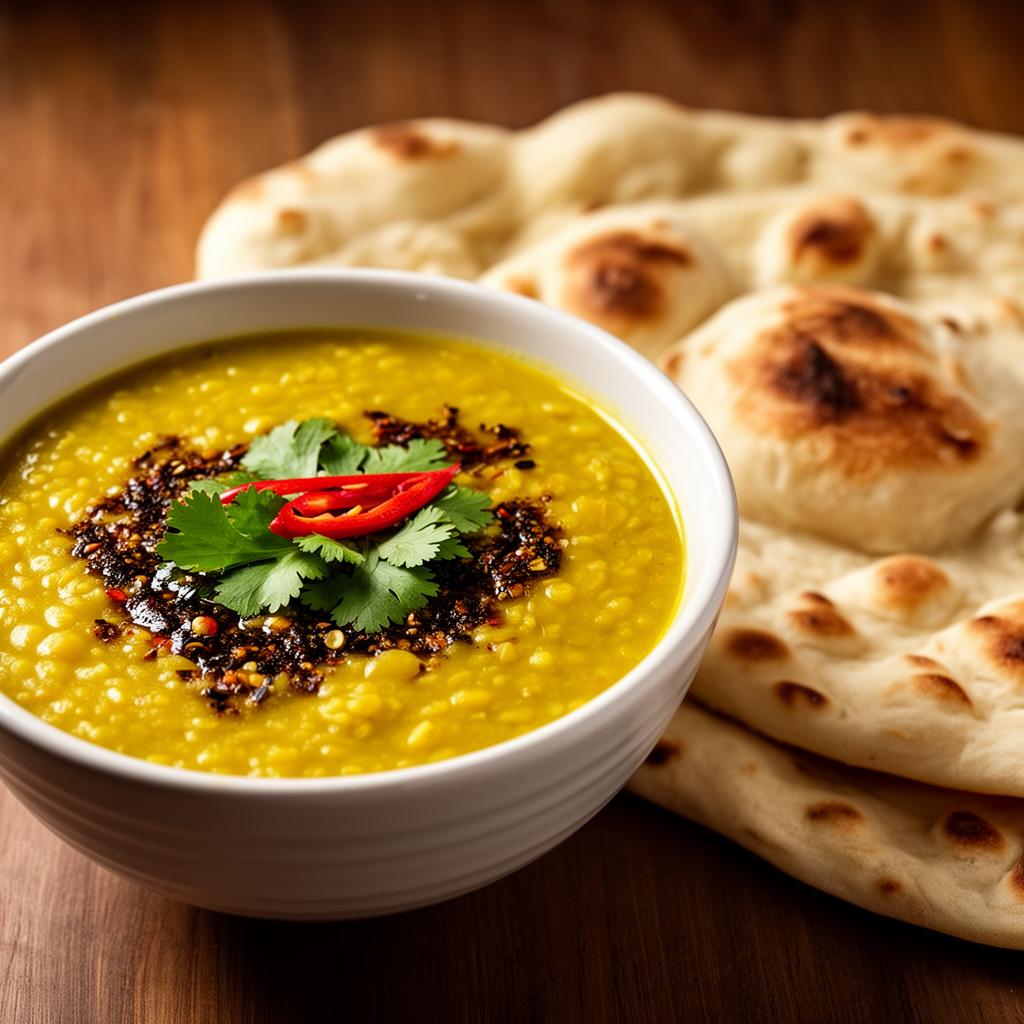
What Is Daal? The Complete Guide to South Asian Lentil Dishes
The humble lentil dish that feeds billions — and why it deserves more respect
Daal is the backbone of Pakistani and South Asian cooking. It appears on tables across the subcontinent every single day — rich, nourishing, and endlessly versatile. Yet despite being one of the most widely eaten dishes on earth, it's often overlooked in favour of flashier curries. Here's why daal deserves your attention.
What Exactly Is Daal?
The word daal (also spelled dal, dhal, or dhal) has a double meaning. It refers to both the raw ingredient — dried, split pulses like lentils, chickpeas, and beans — and the cooked dish made from them.
In its simplest form, daal is pulses simmered with water, turmeric, and salt until they break down into a thick, comforting stew. From there, the variations are endless — every region, every family, and every cook has their own version.
Common Types of Daal
Masoor Daal (Red Lentils)
The most widely used lentil in Pakistani cooking. Red lentils cook quickly (15–20 minutes), break down into a smooth, creamy consistency, and absorb spices beautifully. This is the daal you'll find in most everyday home cooking.
Chana Daal (Split Chickpeas)
Nuttier and firmer than masoor, chana daal holds its shape when cooked. It has a slightly sweet, earthy flavour and is used in everything from curries to desserts (it's the base for many South Asian sweets).
Moong Daal (Mung Beans)
Available in whole green form or split yellow form. Split moong cooks quickly and is gentle on the stomach — it's often the first solid food given to babies in Pakistan. Whole moong is heartier and takes longer to cook.
Toor/Arhar Daal (Pigeon Peas)
The most popular daal in Indian cooking (especially in the south and west). Slightly sweeter than masoor, with a distinctive earthy aroma. Less common in Pakistani households but widely available.
Urad Daal (Black Gram)
The richest and most indulgent daal. Whole urad is the base of the famous daal makhani — black lentils slow-cooked with butter and cream for hours until velvety smooth. A celebration dish.
Makani Daal (Mixed Lentils)
A blend of different lentils cooked together with butter or cream — rich, hearty, and full of depth. This is the style served at Fozia's restaurant in Liverpool, where it's one of the most popular vegetarian dishes on the menu.
The Art of Tarka
What transforms simple boiled lentils into a flavour bomb is the tarka (also called tadka or baghar). This is the technique of tempering whole spices in hot oil or ghee, then pouring the sizzling mixture over the cooked daal.
A classic tarka includes:
- Cumin seeds — crackle them in hot oil until fragrant
- Garlic — sliced thin and fried until golden
- Dried red chillies — whole, for colour and gentle heat
- Curry leaves — optional, but they add an incredible aroma
- Onions — sometimes sliced and fried until crispy
The sizzle when the tarka hits the daal is one of the most satisfying sounds in cooking. It's a technique you'll find across Pakistan, India, Bangladesh, and beyond.
Nutritional Benefits of Daal
There's a reason daal has sustained billions of people for thousands of years:
- High in protein: Around 9g per cooked cup — a vital source for vegetarians
- Rich in fibre: Supports digestive health and keeps you full
- Iron and folate: Essential for energy and cell growth
- B vitamins: Important for metabolism and brain function
- Low in fat: Naturally lean, especially without ghee
- Budget-friendly: One of the most affordable protein sources available
How Daal Is Served
In Pakistani homes, daal is typically served with:
- Roti or chapatti — the most common pairing for everyday meals
- Steamed rice — daal chawal (daal and rice) is Pakistan's ultimate comfort food
- Pickles and salad — achaar (pickle) adds tangy contrast
- Yogurt — a cooling side that balances the spice
Daal chawal — a simple bowl of lentils over rice — is considered the national comfort food of Pakistan. It's what people eat when they're homesick, recovering from illness, or just want something warm and familiar.
Frequently Asked Questions
What is daal?
Daal is a lentil or pulse-based dish that's a staple of Pakistani and South Asian cuisine. The word refers to both the dried split pulses and the cooked dish.
Is daal healthy?
Very. It's high in protein, fibre, iron, and B vitamins while being naturally low in fat. It's one of the most nutritious and affordable foods in the world.
What is tarka daal?
Tarka is the technique of tempering whole spices in hot oil or ghee and pouring them over cooked lentils. It adds fragrance, depth, and flavour.
Is daal vegan?
Basic daal is naturally vegan. Traditional recipes often use ghee for the tarka, but this can be replaced with vegetable oil.
Daal is one of the vegetarian dishes on the menu at Fozia's Restaurant in Liverpool, where it's prepared fresh daily using traditional recipes and finished with a fragrant tarka.
Try Our Homestyle Daal
Experience authentic Pakistani daal at Fozia's — slow-cooked lentils finished with a fragrant tarka, served with fresh roti or rice.
Book a TableYou Might Also Enjoy
Where to Get a Desi Breakfast in Liverpool
Halwa puri, chana, paratha, omelette, and chai — the best places for a proper Pakistani breakfast in Liverpool.
What Is Bhindi (Okra)? A Complete Guide
Everything you need to know about bhindi — from classic Pakistani recipes like bhindi gosht to crispy bhindi masala and nutritional benefits.
Naan vs Roti vs Chapatti: What's the Difference?
A guide to three of the most popular South Asian breads — how they differ in ingredients, cooking methods, and when each is traditionally served.