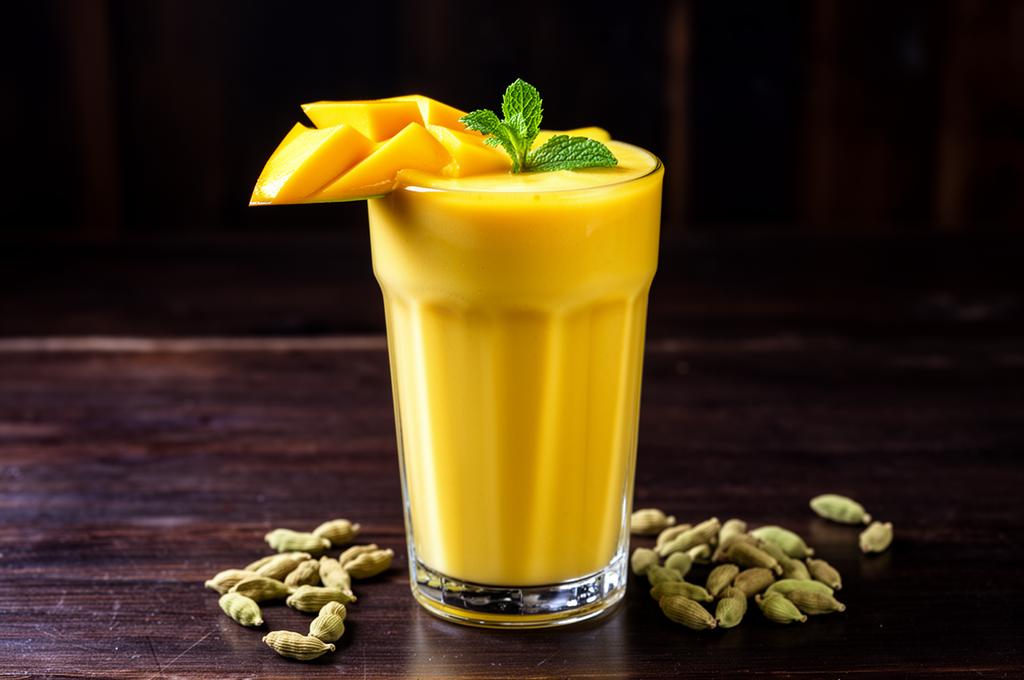
What Is Mango Lassi? The Complete Guide to Pakistan's Favourite Yogurt Drink
Creamy, cooling, and centuries old — why this simple blend of yogurt and mango is the perfect partner for spicy food
Walk into any Pakistani or Indian restaurant and you'll find mango lassi on the menu. It's not there by accident. This thick, golden yogurt drink has been served alongside South Asian food for centuries — and there's real science behind why it works so well with spicy curries. Here's everything you need to know.
What Exactly Is Mango Lassi?
Mango lassi is a traditional yogurt-based drink from the Punjab region of Pakistan and India. At its core, it's beautifully simple: ripe mango, yogurt (called dahi), a touch of sugar, and sometimes a pinch of cardamom — blended together until thick and smooth.
The word lassi comes from the Punjabi language and refers to any yogurt-based drink, whether sweet, salted, or flavoured. Mango lassi is the most famous variety outside South Asia, but it's just one member of a much larger family.
Lassi predates modern blenders by a long way. Historical references suggest yogurt drinks have been consumed in the Punjab for over 1,000 years, originally churned by hand using a wooden whisk called a madhani. Mango — native to the subcontinent — was a natural addition once the fruit came into season each summer.
How Mango Lassi Is Made
The beauty of mango lassi is its simplicity. A traditional recipe uses just four or five ingredients:
- Ripe mango — fresh Alphonso or Chaunsa mangoes are ideal, though tinned mango pulp works well year-round
- Full-fat yogurt (dahi) — the thicker and tangier, the better
- Sugar or honey — to taste, though ripe mangoes often provide enough sweetness on their own
- Cardamom — a small pinch of ground green cardamom adds an aromatic warmth
- Ice — for a cold, refreshing finish
Everything goes into a blender and is whizzed until smooth. The consistency should be thicker than a milkshake but pourable — somewhere between a smoothie and a drinkable yogurt. Some versions add a splash of milk to thin it out, but purists keep it yogurt-heavy for that characteristic tang.
Why Lassi Works With Spicy Food
There's a reason lassi has been served alongside curries for centuries — and it's not just tradition. There's genuine food science at play.
The heat in chillies comes from a compound called capsaicin. Capsaicin is oil-soluble, which means water won't wash it away (that's why drinking water after a hot curry doesn't help). Yogurt, however, contains a protein called casein that binds directly to capsaicin molecules and lifts them off your taste buds.
The fat content in full-fat yogurt also helps dissolve capsaicin, while the cold temperature provides immediate physical relief. This triple mechanism — casein binding, fat dissolving, cold soothing — makes lassi one of the most effective remedies for chilli heat. It's far more effective than water, bread, or even other techniques for reducing spice levels.
Types of Lassi
Mango lassi may be the most well-known variety internationally, but the lassi family is surprisingly diverse:
Sweet Lassi (Meethi Lassi)
Plain yogurt blended with sugar and sometimes rose water. The original — and still the most common version drunk in Pakistani and Punjabi homes.
Salted Lassi (Namkeen Lassi)
Yogurt blended with salt, roasted cumin, and sometimes fresh mint. This savoury version is particularly popular in rural Punjab and is considered more traditional than the sweet variety. It's the drink of choice for farmers and labourers — hydrating, replenishing salt lost through sweat, and easy on the stomach.
Rose Lassi (Gulab Lassi)
A fragrant, pink-tinged lassi flavoured with rose water or rose syrup. Delicate and floral, it's often served at weddings and celebrations.
Kesar Lassi (Saffron Lassi)
Infused with saffron strands and often garnished with crushed pistachios. Rich, aromatic, and golden — this is the luxury version, reserved for special occasions.
Chaas (Buttermilk)
Technically a close cousin rather than a true lassi. Chaas is thinner, more watery, and always savoury — seasoned with salt, cumin, and sometimes curry leaves. It's drunk as a digestive aid after meals.
Health Benefits of Mango Lassi
Mango lassi isn't just delicious — it's genuinely nutritious. Here's what a typical glass delivers:
- Probiotics: Live yogurt cultures support gut health, digestion, and immune function
- Vitamin C: Mango is rich in vitamin C, which supports skin health and immunity
- Vitamin A: The beta-carotene in mango supports eye health and skin repair
- Calcium: Yogurt is an excellent source of calcium for bone health
- Protein: A glass of lassi typically contains 6–8g of protein
- Digestive aid: The combination of probiotics and the enzyme amylase in mango supports healthy digestion — this is why lassi is traditionally served with heavy meals
In Ayurvedic tradition, yogurt-based drinks are considered cooling foods that help balance the body's internal heat — particularly useful in hot climates and after eating spicy food.
Mango Lassi and Pakistani Dining Culture
In Pakistan, lassi holds a cultural significance that goes far beyond being a menu item. In the Punjab — where lassi originates — it's woven into daily life. Roadside stalls serve it in tall steel tumblers. Village homes churn it fresh every morning. It's offered to guests as a gesture of hospitality.
Mango lassi specifically is tied to the summer mango season, which is almost a national event in Pakistan. When Chaunsa, Sindhri, and Anwar Ratol mangoes arrive in June and July, mango lassi becomes an everyday drink — a way to use the abundance of ripe fruit before the season ends.
In restaurant settings, mango lassi serves a practical purpose too. Its cooling properties make it the ideal accompaniment to rich, spice-forward dishes like biryani, karahi, and nihari. At Fozia's in Liverpool, it remains one of the most ordered drinks alongside the buffet and à la carte menu.
Can You Make Mango Lassi Vegan?
Yes — though purists might object. The key substitution is swapping dairy yogurt for a plant-based alternative. Coconut yogurt works best, as it has a similar fat content and creamy texture. Soy yogurt is another option, though the flavour is more neutral.
The mango, sugar, and cardamom remain unchanged. The result is a lighter drink that lacks some of the tangy depth of traditional dahi, but still captures the essence of a mango lassi. Oat milk yogurt can also work, though it tends to produce a thinner consistency.
Frequently Asked Questions
What is mango lassi?
Mango lassi is a traditional South Asian yogurt drink blended with ripe mango, sugar, and sometimes cardamom. It's thick, creamy, and one of the most popular drinks served alongside Pakistani and Indian food.
Is mango lassi healthy?
Yes. It's rich in probiotics, vitamin C, vitamin A, calcium, and protein. The yogurt supports gut health while mango provides essential vitamins and antioxidants.
What's the difference between lassi and a smoothie?
Lassi uses yogurt (dahi) as its base, giving it probiotics and a tangy flavour. Smoothies typically use milk, juice, or plant-based liquids. Lassi also has deep cultural roots in the Punjab region stretching back over 1,000 years.
Can you make mango lassi without sugar?
Absolutely. Ripe mangoes are naturally sweet — especially Alphonso and Chaunsa varieties. If you need extra sweetness, try honey or a small amount of jaggery instead of refined sugar.
Why is lassi served with spicy food?
Yogurt contains casein, a protein that binds to capsaicin — the compound that makes chillies hot — and neutralises it. The fat and cold temperature provide additional relief, making lassi far more effective than water at cooling your palate.
Mango lassi is available alongside the full drinks menu at Fozia's Restaurant in Liverpool, where it's made fresh and served cold with every sitting.
Try Our Freshly Made Mango Lassi
Enjoy a glass of authentic mango lassi alongside Pakistani and Kashmiri dishes at Fozia's — made with real mango, full-fat yogurt, and a hint of cardamom.
Book a TableYou Might Also Enjoy
What Is Daal? The Complete Guide
Everything you need to know about daal — the lentil dish at the heart of Pakistani cooking.
How to Make a Curry Less Spicy
Made your curry too spicy? Learn 8 proven techniques to reduce the heat without losing flavour.
The Essential Guide to Biryani Spices
Discover the aromatic spices that make authentic Pakistani and Kashmiri biryani so special.