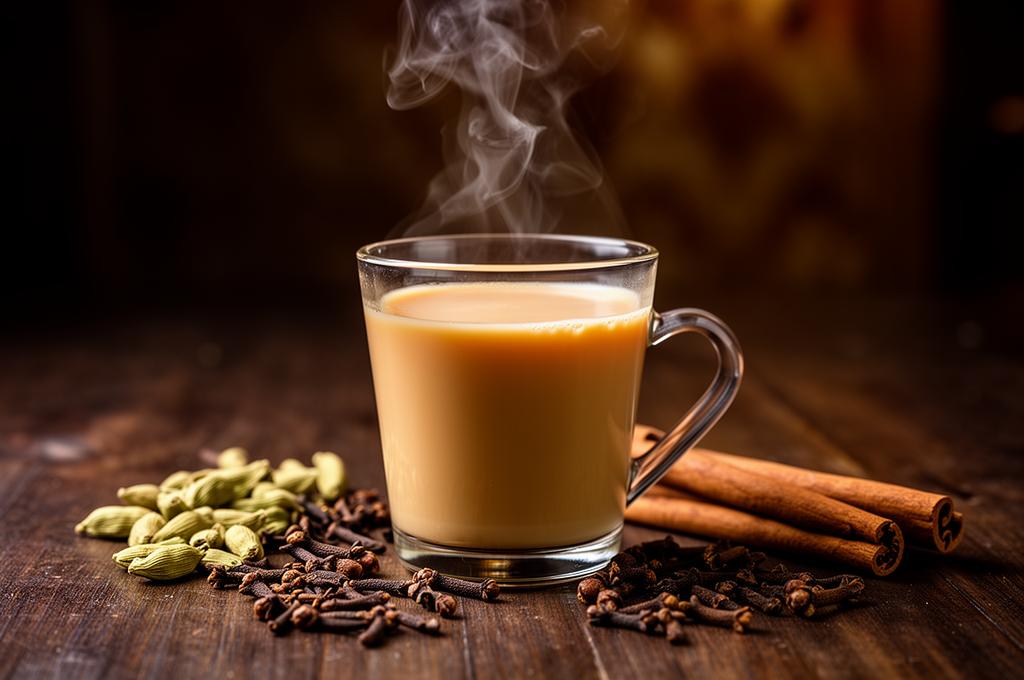
Pakistani Chai: The Complete Guide to Desi Tea
Doodh patti, masala chai, karak, Kashmiri pink chai — why Pakistani tea is nothing like the cup of PG Tips you're used to
In Pakistan, chai isn't just a drink — it's a ritual, a social glue, and arguably the most important part of every meal. The country consumes over 170 million cups of tea per day, making it the third-largest tea-drinking nation on earth. And yet, what most people in the UK think of as "chai" barely scratches the surface. Here's the real story.
What Is Pakistani Chai?
First, a clarification: the word chai simply means "tea." When someone in the UK says "chai tea," they're literally saying "tea tea." In Pakistan, all tea is chai — the distinction is in how it's made.
Pakistani chai is fundamentally different from English tea. In England, you boil a kettle, dunk a tea bag, add a splash of milk. In Pakistan, the tea is cooked. Loose-leaf black tea is simmered directly in milk and water on the stove, often with sugar and spices, until it reaches a deep amber colour and a thick, creamy consistency.
The result is richer, stronger, and more aromatic than anything you'll get from a tea bag. It's a different drink entirely.
Doodh Patti: The King of Pakistani Tea
Doodh patti (literally "milk leaf") is the most popular style of chai across Pakistan. No water is used at all — just whole milk and tea leaves, simmered together until the milk absorbs the colour, flavour, and caffeine from the tea.
The process is simple but requires patience:
- Bring whole milk to a gentle boil in a saucepan
- Add loose-leaf tea — usually a strong CTC (crush, tear, curl) variety like Tapal Danedar or Lipton Yellow Label loose
- Simmer on low heat for 5–8 minutes, stirring occasionally
- Add sugar to taste (Pakistani chai is traditionally quite sweet)
- Strain and serve in a cup or glass
The longer you simmer, the stronger and more golden-brown the chai becomes. Street vendors in Lahore and Karachi are famous for their doodh patti — they use enormous steel pots and simmer the tea for hours, developing an incredibly concentrated flavour that's almost impossible to replicate at home.
In Pakistani homes, doodh patti is served multiple times a day — with breakfast, after lunch, with evening snacks, and after dinner. Guests are always offered chai within minutes of arriving. Refusing a cup of chai in a Pakistani household is considered mildly offensive.
Masala Chai: The Spiced Version
Masala chai is the version most familiar to Westerners — though what you'll find in UK coffee shops is usually a diluted, pre-mixed syrup version that bears little resemblance to the real thing.
Authentic masala chai starts with the same base as doodh patti (milk, tea leaves, sugar) but adds a blend of whole spices:
- Green cardamom (elaichi) — the essential spice; crushed pods release a warm, floral aroma
- Cinnamon (dalchini) — a small piece adds sweetness and warmth
- Cloves (laung) — used sparingly for depth and a mild numbing heat
- Fresh ginger (adrak) — grated or sliced; adds a sharp, warming kick
- Black pepper (kali mirch) — a few whole peppercorns for gentle heat
- Fennel seeds (saunf) — sometimes added in Kashmiri and Punjabi variations
The spices are lightly crushed and simmered with the milk and tea, infusing the drink with complex, layered flavours. Each family has their own ratio — some prefer heavy cardamom, others lean into ginger. There's no single "correct" recipe, which is part of what makes masala chai so personal. The same spices used in masala chai appear across Pakistani cooking — you'll recognise many from biryani spice blends too.
Karak Chai: The Gulf-Style Powerhouse
Karak chai (from the Hindi/Urdu word meaning "strong") originated in the tea stalls of the Arabian Gulf — Qatar, UAE, Bahrain — where South Asian workers brought their tea culture and adapted it to local tastes.
What distinguishes karak from other chai styles:
- Extended brewing time — karak is boiled much longer than masala chai, sometimes 15–20 minutes, until the tea is intensely concentrated
- Evaporated or condensed milk — many recipes use evaporated milk instead of fresh, giving it a thicker, sweeter body
- Cardamom-dominant — while masala chai uses multiple spices, karak typically focuses on cardamom with occasional saffron
- Very sweet — sugar (or condensed milk) is added generously
The result is a deeply caramelised, almost syrupy tea with an addictive sweetness. Karak has exploded in popularity in the UK in recent years, largely driven by Gulf-influenced tea brands and social media. It's bolder and sweeter than Pakistani doodh patti, but they share the same DNA — both reject the idea that tea should be a weak, watery drink.
Kashmiri Chai (Noon Chai): The Pink One
If you've ever seen a pink-coloured tea and wondered what it was, that's Kashmiri chai — also known as noon chai (noon meaning salt in Kashmiri) or sheer chai (milk tea).
This is the most unusual and distinctive of all Pakistani teas. It's made with:
- Special green tea leaves — not the same as Chinese green tea; these are a specific variety used only for this preparation
- Baking soda — a small pinch reacts with the tea to produce the signature pink colour
- Salt — yes, Kashmiri chai is traditionally salted, not sweetened
- Whole milk — added after the tea base is prepared, turning it pink
- Crushed pistachios and almonds — garnished on top
The preparation is labour-intensive. The tea leaves are boiled with baking soda, then the liquid is aerated — traditionally by pouring it from one vessel to another at height — until it develops a deep red colour. When milk is finally added, the red turns to the iconic dusty pink. The taste is unique: creamy, slightly salty, nutty, and completely unlike any other tea you've tried.
Kashmiri chai is a celebratory drink, served at weddings, engagements, and family gatherings — especially in winter. In the Kashmir Valley and northern Pakistan, it's an everyday drink, but in the rest of the country it's reserved for special occasions. The distinct Kashmiri food tradition extends well beyond chai into a whole cuisine of its own.
Other Pakistani Tea Styles
Adrak Chai (Ginger Tea)
A soothing variation made with generous amounts of freshly grated ginger. Popular during cold weather and when someone is feeling unwell — ginger chai is Pakistan's equivalent of chicken soup. It clears the sinuses, warms the chest, and is traditionally given to anyone with a cold or cough.
Elaichi Chai (Cardamom Tea)
The simplest spiced chai — just standard doodh patti with crushed green cardamom pods. This is the most common "everyday" spiced tea in Pakistani homes. The cardamom adds a fragrant, slightly sweet note without overwhelming the tea's natural flavour.
Kahwa (Green Tea with Spices)
A lighter, caffeine-rich drink popular in Khyber Pakhtunkhwa and parts of Afghanistan. Kahwa is made with green tea, cardamom, cinnamon, and saffron — served without milk. It's often drunk after heavy meals as a digestive aid and is particularly associated with Pashtun hospitality.
Sabz Chai (Plain Green Tea)
Simple green tea, sometimes with a squeeze of lemon. Less common than milk tea but increasingly popular in urban Pakistan for its health benefits. Often served after dinner in households trying to cut back on caffeine and sugar.
Chai Culture in Pakistan
To understand chai's importance in Pakistan, you need to understand that it's not just a beverage — it's a social institution. Tea is present at every significant moment:
- Morning ritual — the day doesn't start without chai. Families gather in the kitchen while the pot simmers
- Guest hospitality — offering chai is the first act of welcome. The question isn't "would you like tea?" but "how do you take your chai?"
- Business meetings — negotiations, deals, and difficult conversations happen over chai
- Street culture — every corner in Lahore, Karachi, and Islamabad has a dhaba (tea stall) where workers, students, and friends gather
- With food — chai accompanies desi breakfast, afternoon samosas and pakoras, and late-night conversations
Pakistan reportedly drinks more tea per capita than England — which says something, given that both nations consider tea a part of their national identity. The difference is in the approach: in England, tea is a quiet, personal habit. In Pakistan, it's communal, loud, and deeply social.
Where to Get Pakistani Chai in Liverpool
Finding authentic Pakistani chai in Liverpool isn't always easy — most cafés serve a syrupy "chai latte" that has more in common with a Starbucks seasonal special than anything you'd recognise from a Lahore dhaba. But there are options:
- Fozia's @ The Grand Central — traditional Pakistani chai served with every meal. Every Sunday desi breakfast order comes with a complimentary hot chai. Located at 35 Renshaw Street, 2 minutes from Bold Street.
- Chalands (Bold Street) — known for their karahi chai, a strong, thick tea served in a small metal cup. Good for a quick, no-frills chai stop.
- Asian grocery shops — if you want to make your own doodh patti, places like Pak Supermarket on Lawrence Road sell Tapal Danedar, Lipton Yellow Label loose, and green cardamom pods.
How to Make Pakistani Chai at Home
If you want to make proper doodh patti at home, here's a simple recipe that serves two:
- 1 cup whole milk
- 1 cup water
- 2 heaped teaspoons loose-leaf black tea (CTC style — Tapal, Lipton Yellow Label, or PG Tips loose)
- 2–3 green cardamom pods, lightly crushed
- Sugar to taste (2–3 teaspoons for authentic sweetness)
Bring the water to a boil in a small saucepan. Add the tea leaves and cardamom, and boil for 2 minutes. Add the milk and sugar, reduce heat, and simmer for 4–5 minutes until the colour deepens to a rich golden brown. Strain into cups and serve immediately.
For a stronger doodh patti, reduce the water and increase the milk. For masala chai, add a small piece of cinnamon, 2–3 cloves, and a few slices of fresh ginger along with the cardamom.
Frequently Asked Questions
What is Pakistani chai?
Pakistani chai is milk tea made by simmering loose-leaf black tea with whole milk, sugar, and often cardamom. Unlike English tea where milk is added at the end, Pakistani chai is cooked with the milk, producing a richer, creamier drink called doodh patti.
What's the difference between masala chai and karak chai?
Masala chai uses a blend of spices (cardamom, cinnamon, cloves, ginger, pepper). Karak chai is a Gulf-style tea boiled for much longer with mainly cardamom and sometimes saffron, resulting in a stronger, sweeter, more concentrated drink.
What is Kashmiri pink chai?
Kashmiri chai (noon chai) is made with special green tea leaves, baking soda, salt, and milk. The baking soda reacts with the tea to produce its signature pink colour. It's traditionally served at weddings and celebrations, garnished with crushed pistachios.
Where can I get Pakistani chai in Liverpool?
Fozia's @ The Grand Central (35 Renshaw Street) serves traditional Pakistani chai with every meal. Sunday desi breakfast orders come with a free hot chai. Chalands on Bold Street also serves a good karahi chai.
Why is chai served with desi breakfast?
Chai is an essential part of the Pakistani breakfast ritual. The warmth and spice complement dishes like halwa puri, paratha, and omelette. In Pakistani culture, no meal — especially breakfast — is considered complete without chai.
Traditional Pakistani chai is served fresh at Fozia's Restaurant in Liverpool, where it's the perfect accompaniment to our desi breakfast and à la carte menu. If you prefer something cold, try our mango lassi — the traditional yogurt drink that's been cooling spice-lovers for centuries.
Free Chai With Every Sunday Breakfast
Join us from 11am on Sundays for our Desi Puri Breakfast thali — dahl, spicy potatoes, omelette, halva, and puri fried bread — served with a complimentary hot chai. All cooked fresh to order.
Book a TableYou Might Also Enjoy
Where to Get a Desi Breakfast in Liverpool
Halwa puri, chana, paratha, omelette, and chai — the best places for a proper Pakistani breakfast in Liverpool.
What Makes Kashmiri Cuisine Different from Pakistani Food?
Learn what makes Kashmiri cuisine unique, how it differs from Pakistani food, and why it's rarely found on restaurant menus in the UK.